SILENT COUP: THE SELECTION OF 2020 EXPOSES THE MECHANISMS OF GLOBAL MONETARY CONTROL AND POLICY TIMELINES
Francis X. Coakley’s Silent Coup Provides over 600 Internet Citations Analyzing Comparative Central Bank Data from the
Press Release Disclaimer: This is a press release distributed through the XPR Media network. It has not been independently verified by our newsroom.
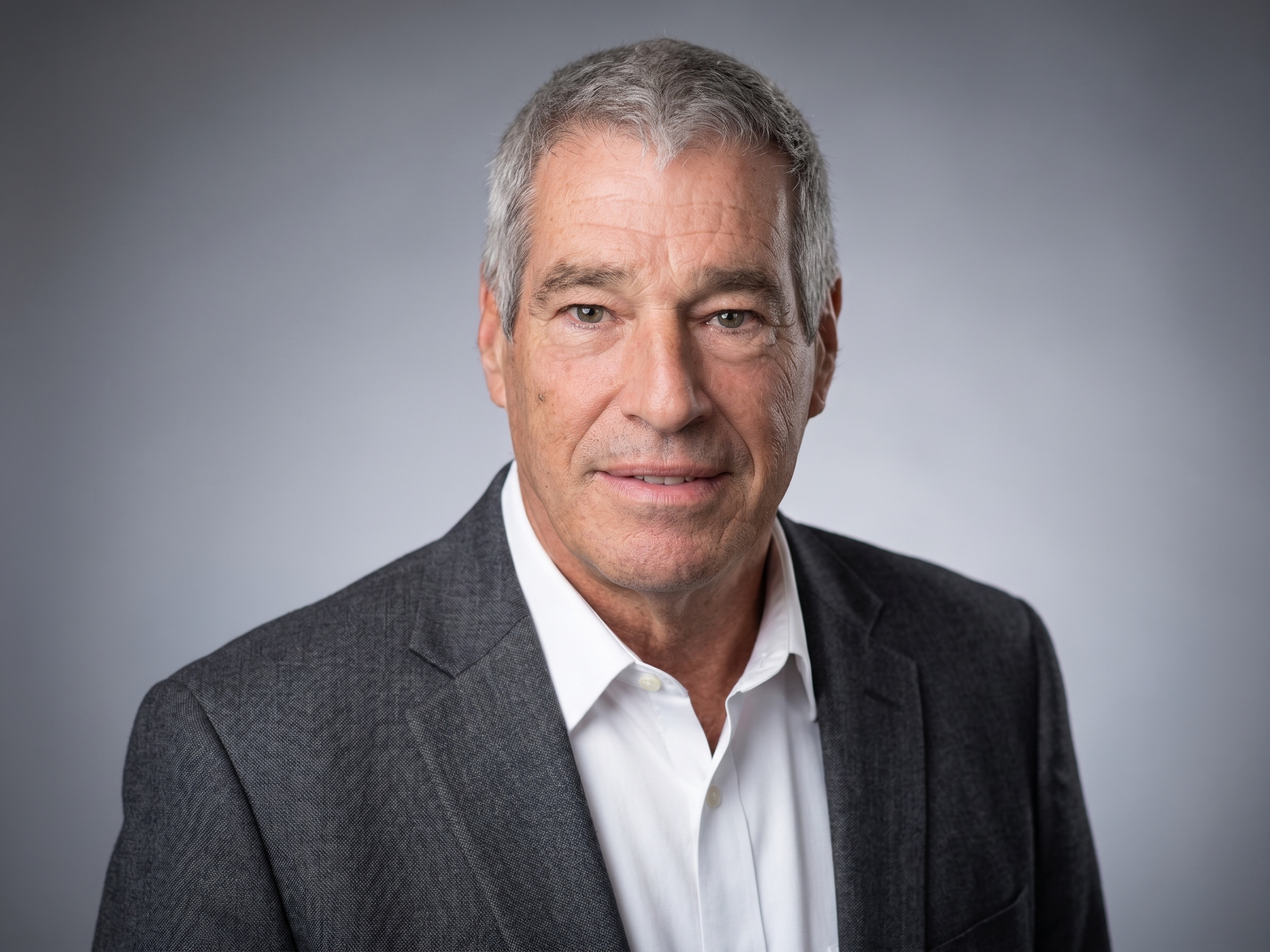

Francis X. Coakley’s Silent Coup Provides over 600 Internet Citations Analyzing Comparative Central Bank Data from the Federal Reserve and the Bank of Japan
LONG BEACH, CA, UNITED STATES, October 28, 2026 /EINPresswire.com/ — Francis X. Coakley, in conjunction with Ingram Spark, is proud to announce the release of his book, Silent Coup: The Selection of 2020 — The Implementation of the Zero Interest Rate Policy and the Rise of the COVID-19 Pandemic. The 90,000-word work presents a detailed comparative analysis of central banking mechanics, trade balance deficits, and macroeconomic policy execution.
Backed by over 600 internet citations referenced 1,325 times—drawing directly from primary data repositories such as the Federal Reserve Banks of St. Louis, Chicago, and Boston, the International Monetary Fund, the World Bank, the Bank of Japan, and the Bureau of Labor Statistics, the book examines historical parallels between the monetary strategies of the Bank of Japan and the Federal Reserve.
About the Book
Silent Coup provides an exhaustive, data-intensive investigation into two decades of global macroeconomic strategy. Spanning eleven detailed chapters, the book traces economic turning points from the 1997 Southeast Asian Financial Crisis and Japan’s prolonged stagnation through the 2008 U.S. subprime mortgage collapse, the post-crisis stimulus programs, and the extraordinary policy measures enacted during 2020.
Grounding it in primary records, the manuscript incorporates over 400 verified internet sources referenced 1,325 times. Coakley compiles statistical evidence directly from the Federal Reserve Banks of St. Louis, Chicago, and Boston, the Bureau of Labor Statistics, the International Monetary Fund, the World Bank, and the Bank of Japan to build a clear, evidence-based picture of modern monetary intervention. The book shows a detailed comparative analysis on how central banks leverage Zero Interest Rate Policies (ZIRP) and Quantitative Easing to depress government interest payments on burgeoning national debt during prolonged recessions.
The Objective Behind the Analysis
The primary objective of Silent Coup is to detail the mathematical and chronological alignment of central bank interventions across two decades. The book argues that prolonged economic recessions and zero-interest-rate policies (ZIRP) function as institutional mechanisms that depress federal interest payments on national debt, allowing governments to manage expanding debt obligations amidst chronic trade deficits.
“What most Americans do not understand about U.S. trade policy is this: Most of the containers aboard United States Flag cargo container vessels headed to Southeast Asia are empty. That’s right. Empty. Our U.S. Flag Merchant Mariners’ cargo ships, once the pride of the world, main function is now to return unused cargo containers to our trading partners in Southeast Asia for them to fill back up.”
— Francis X. Coakley
Detailed Findings & Parallel Timelines
Coakley documents that between 1998 and 2018, Japan suffered through two seven-year recessions, during which the Japanese government reduced its interest payments on national debt from 11 trillion yen on a 172 trillion yen debt in 1991 to 7.8 trillion yen on an 898 trillion yen debt in 2018. During its first recession, the Bank of Japan instituted a Zero Interest Rate Policy for 2,500 days alongside 66 months of Quantitative Easing. The book compares this to the Federal Reserve’s Zero Interest Rate Policy of 2,554 days between December 16, 2008, and December 16, 2015, accompanied by 66 months of Quantitative Easing.
Furthermore, Coakley notes that both central banks re-instituted Quantitative Easing policies after identical intervals: the Bank of Japan enacted Comprehensive Monetary Easing on October 5, 2010—1,544 days after first raising rates—while the Federal Reserve re-instituted Quantitative Easing on March 15, 2020—1,551 days after its initial rate increase. The analysis further details the inverted yield curve present from March 2019 to October 2019 and its relationship to the S&P 500 peak, foreign-export orders in the ISM PMI Manufacturing Index, the Trump-China trade deal signed on January 15, 2020, and the subsequent 2022–2024 inverted yield curve.
Meet the Author
Francis X. Coakley grew up in the upper-middle-class neighborhood of Westfield, New Jersey. He served for fifteen years as a United States Merchant Mariner, where he directly observed the dynamics of international trade policy and containerized cargo movement across Southeast Asia. His firsthand maritime perspective informed his extensive research into trade imbalances, monetary expansion, and federal financial policy. Over decades of systematic analysis, Coakley connected these realities to central bank interest rate manipulation, federal debt service management, and key economic indicators across the U.S. and Japanese banking systems.
Book Availability & Media Contact
Silent Coup: The Selection of 2020 is available now through Ingram Spark and major online book retailers.
For press inquiries, media interviews, or review copies, please contact: authorfranciscoakley@proton.me
Francis X. Coakley
Silent Coup: The Selection of 2020
authorfranciscoakley@proton.me
Visit us on social media:
Facebook
Legal Disclaimer:
EIN Presswire provides this news content “as is” without warranty of any kind. We do not accept any responsibility or liability
for the accuracy, content, images, videos, licenses, completeness, legality, or reliability of the information contained in this
article. If you have any complaints or copyright issues related to this article, kindly contact the author above.

Media gallery