Phytomem One Reviews: Publishes First Transparency Report Independent Lab Results, 90-Day Customer Survey and Counterfeit Market Sweep Released Together
AUSTIN, Texas · October 16, 2026 – Phytomem One, LLC has released its first formal transparency report, combining
Press Release Disclaimer: This is a press release distributed through the XPR Media network. It has not been independently verified by our newsroom.

AUSTIN, Texas · October 16, 2026 – Phytomem One, LLC has released its first formal transparency report, combining independent laboratory results for its most recently reviewed production lot with findings from a 90-day customer outcomes survey of verified purchasers and a comprehensive review of the counterfeit and unauthorized-seller market that has developed around the product since its launch. The company said publishing all three data sets together was a deliberate choice: each answers a question the others leave open, and releasing them in the same document removes the incentive to present any one figure selectively.
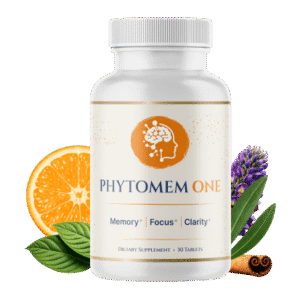
Phytomem One is a once-daily cognitive support supplement formulated to address focus, memory, and mental clarity through a ten-ingredient formula organized into three blends. The product is made in a facility operating under USDA National Organic Program-certified practices, in premises registered with the FDA, and it is sold exclusively through the company’s official sales page. From its first-sale date through October 1, 2026, the company reports shipping 163,480 units to 79,200 verified customers in the United States.
The October 2026 report draws on four sources: the independent laboratory summary for lot PHYTO-2610-07, conducted by Meridian Analytical Services; a 90-day customer outcomes survey titled “Phytomem One First-Year Customer Pulse,” fielded between July 1 and September 30, 2026; a rolling support audit covering the thirty-day period from September 9 through October 8, 2026; and a brand-protection sweep completed on October 12, 2026.
“The supplement category has a credibility problem, and we are not going to solve it by issuing certificates no one can verify or testimonials no one can trace. We solve it by publishing the actual numbers — the refund rate, the unmatched support cases, the counterfeit count — and letting the reader decide what they mean.”
— Dr. Amara Singh, MD, Clinical Formulation Director, Phytomem One
Phytomem One First Transparency Report: Key Figures at a Glance
The company released a consolidated set of headline figures alongside the full report. They form the basis for everything that follows.
| Metric | Figure |
|---|---|
| Units shipped | 163,480 |
| Verified customers | 79,200 |
| Support cases unmatched to orders | 23.0% |
| Refund rate, verified orders (90 days) | 1.82% |
| Reorder rate within 90 days | 52.4% |
| Good/excellent experience rating | 94.8% |
In the rolling support audit, agents reviewed 1,876 cases opened between September 9 and October 8, 2026. Of those, 1,445 were matched to an order in the company’s fulfillment records and 431, representing 23.0% of the period’s caseload, were not. The refund rate among verified orders over the ninety days ending October 1, 2026 was 1.82%, and among customers who became eligible for a second purchase during the period, 52.4% reordered within ninety days.
On brand protection, the October 12 sweep identified 469 unauthorized listings across six channels and 39 look-alike websites. The company filed reports on all 469 listings. As of October 14, 2026, 328 listings (69.9%) had been removed or suspended; 141 remained live. Registrar or hosting complaints were filed against all 39 look-alike sites. An impersonation and counterfeit submission was filed with the Federal Trade Commission on October 12, 2026, under reference FTC-261008.
In the 90-day customer outcomes survey, 4,614 verified purchasers responded between July 1 and September 30, 2026. The three headline results were: 94.8% rated their overall experience good or excellent; 89.7% said they would recommend the product; and 85.2% reported improved self-reported focus, mental clarity, or cognitive confidence. The company has described the survey as non-clinical and self-reported and has posted the questionnaire and full method on the company’s site as the customer outcomes pulse.
Independent Lab Results: Lot PHYTO-2610-07
The company said Meridian Analytical Services, which it describes as ISO/IEC 17025 accredited, completed a review of lot PHYTO-2610-07 covering identity confirmation against the supplement facts panel, label-claim verification for the individually listed nutrients, and standard microbial and heavy-metal panels. The company said the lot passed identity and label-claim review and met the microbial and heavy-metal limits stated in its quality specification. It did not publish the full certificate of analysis with this release, noting that certificate details are available to verified purchasers who request them through the company’s support channel.
The company said it tests each production lot against the same panel standard and that lot PHYTO-2610-07 is the most recently reviewed lot at the time of this report’s publication. It said the tested lot is within the product’s current production window and that bottles reaching customers today are drawn from lots reviewed under the same protocol.
Facility registration is a listing requirement, not a product approval. The company does not present FDA registration or USDA NOP certification as an approval of the Phytomem One formula.
What Drove the October Audit: Three Complaint Themes in the Trailing Thirty Days
The company sorted the 1,876 cases reviewed in the trailing thirty days by subject and released the three largest groups. It said none of the three involved a confirmed safety event tied to an authenticated bottle.
Theme One: Blend Transparency and Ingredient-Amount Requests
The largest group in the October audit comprised customers asking for the individual amounts of each ingredient within the three named blends — the Cellular Defense Matrix, the Brain Fuel & Vitality Complex, and the Neural Amplifier System. Agents explained that the blend amounts are not disclosed on the label and that the company has not released them separately. Agents directed customers to the published supplement facts panel and the company’s ingredient reference page, which covers each blend component alongside published research sources the company consulted during formulation. The company said this theme reflects an increasingly research-oriented customer base and that it does not treat such requests as complaints but rather as an indicator of sustained product engagement.
Theme Two: ClickBank Billing Statement Confusion
The second-largest group came from customers who did not recognize the billing descriptor “CLICKBANK” on their payment statement and contacted support believing the charge was fraudulent. The company said all official Phytomem One purchases are processed through ClickBank, its authorized payment processor, and that the CLICKBANK descriptor is expected and not an indicator of an unauthorized charge. Agents walked customers through the descriptor and provided the ClickBank order number for their records. The company said it considers this a recurring onboarding communication gap rather than a product complaint and that it is updating its post-purchase confirmation email to set the ClickBank descriptor expectation before a statement arrives. The company noted that a separate, smaller subset of cases in this theme came from buyers who had purchased on an unauthorized channel and received a charge under a descriptor that was not ClickBank — those cases were escalated separately as potential counterfeit-related billing disputes.
Theme Three: Counterfeit Product Receipt and Packaging Discrepancies
The third group consisted of customers who had purchased through a marketplace listing or look-alike website and received a bottle whose packaging did not match the current Phytomem One label — including bottles labeled “Phytomem One Advanced,” “Phytomem One Pro,” and “Phytomem One Ultra,” none of which are versions the company makes. Agents confirmed that the company makes one product in one formulation and that no “Advanced,” “Pro,” or “Ultra” version exists. The company said it cannot confirm, replace, or refund a bottle it has no record of selling, and agents directed affected customers to file disputes with their card issuer, report the listing to the relevant marketplace, and submit a complaint at reportfraud.ftc.gov. The company said this complaint pattern is the clearest real-world evidence that counterfeit packaging is reaching customers and that the labeling discrepancies described are actionable under both marketplace policies and federal consumer protection law.
Counterfeit Market Update: The October 2026 Brand-Protection Sweep
The October 12, 2026 brand-protection sweep covered six channels and independent search results and produced the most complete single-period listing count the company has conducted. Staff identified 469 unauthorized listings across the six channels, alongside 39 standalone websites that copied the Phytomem One brand name, product images, or page layout.
| Channel | Listings Found | Reports Filed | Removed by Oct. 14 |
|---|---|---|---|
| Amazon | 132 | 132 | 94 |
| eBay | 94 | 94 | 68 |
| TikTok Shop | 78 | 78 | 55 |
| Walmart Marketplace | 71 | 71 | 49 |
| Facebook Marketplace | 53 | 53 | 38 |
| Other marketplaces | 41 | 41 | 24 |
| Total | 469 | 469 | 328 (69.9%) |
Prices observed on unauthorized listings varied widely and included invented variants at prices the company does not use: a single bottle at $29.99 to $44.99, despite the company selling no single-bottle option; a counterfeit “Phytomem One Advanced” at $54.95 to $74.99; a fabricated “Clinical Strength” version at $89.00; international multi-bottle packs at $149.00 to $199.00 with shipping claims to markets where the company does not distribute; and a recurring-billing arrangement at $44.99 per month under the Phytomem One name. The company said none of those listings, prices, versions, or billing arrangements originated with it.
False statements circulating in the same period included claims of regulatory clearance the company has never received; an invented “neurologist-endorsed” phrase that does not appear on the genuine label; ingredient quantities that do not match the supplement facts panel; and fabricated before-and-after test scores attributed to named study participants, which the company said it is pursuing as a separate enforcement matter.
Registrar or hosting complaints were filed against all 39 look-alike websites. The FTC ReportFraud submission under reference FTC-261008 was filed on October 12, 2026. The company said no FDA report was filed because the audit identified no qualifying safety event connected to an authenticated bottle.
The company was direct about the limits of the data. It did not claim that every negative review originates from an unauthorized product. It noted that 23.0% of support cases in the trailing thirty days could not be matched to a company order, that the counterfeit-packaging complaint cluster is concentrated in the unmatched group, and that the refund rate among verified orders over the trailing ninety days was 1.82%.
First-Year Customer Outcomes: Survey, Refund and Reorder Data
The Phytomem One customer outcomes survey, titled “Phytomem One First-Year Customer Pulse,” collected responses from 4,614 verified purchasers who had been using the product for at least 90 days, surveyed between July 1 and September 30, 2026. The company described it as non-clinical and self-reported, conducted under opt-in conditions, and posted the questionnaire and full method as a companion document.
Principal results, as reported by the company:
- 94.8% rated their overall experience with Phytomem One as good or excellent.
- 89.7% said they would recommend the product to a family member or colleague.
- 85.2% reported improved self-reported focus, mental clarity, or cognitive confidence over their survey period.
- 76.1% reported that their daily cognitive-wellness routine had become more consistent since beginning the product.
- 58.4% said they had reduced their use of other focus or energy-support measures, such as caffeine supplements or nootropic stacks, since starting the capsules. The company said it did not prompt this response and regards it as unsolicited self-reported behavior, not a comparative efficacy claim.
The refund rate on verified orders for the ninety days ending October 1, 2026 was 1.82%, equivalent to roughly one refund for every 55 verified orders. The reorder rate for the same period found that 52.4% of customers who became eligible for a second purchase reordered within ninety days.
The company does not attach individual testimonials to its news releases. Written experiences from verified buyers appear on the company’s own site alongside the survey method. The survey carries two limits the company stated itself: respondents chose to take part, and the questions measured cognitive confidence and daily-routine consistency rather than any clinical outcome.
Is Phytomem One Legit? The Four Records a Buyer Can Check
A single authorized sales channel. The company sells Phytomem One only through its official sales page and has no resellers on Amazon, eBay, Walmart Marketplace, TikTok Shop, Facebook Marketplace, or any other channel. Any listing on those platforms was not created by the company.
A published supplement facts panel. Each capsule contains the Cellular Defense Matrix (saffron extract, fucoxanthin, fucoidan, oleuropein from olive leaf), the Brain Fuel & Vitality Complex (berberine HCl, Ceylon cinnamon bark, corosolic acid from banaba leaf, kudzu flower extract), and the Neural Amplifier System (Morosil Sicilian red orange extract, xylitol). Individual amounts within each blend are not disclosed on the label.
An independent laboratory review of the most recent production lot. Meridian Analytical Services reviewed lot PHYTO-2610-07 for identity against the panel, label-claim verification for the individually listed nutrients, and standard microbial and heavy-metal panels. The company said the lot passed all panels. The full certificate is available to verified purchasers on request through the company’s support channel.
A manufacturing transparency statement. The company said Phytomem One is produced in a facility operating under USDA National Organic Program-certified practices in the United States, registered with the FDA, using domestic and imported ingredients. The formula is described as non-GMO, stimulant-free, and free of gluten, dairy, and soy. Facility certification is a manufacturing standard, not a product approval.
For buyers who already hold a bottle, the company lists a short verification check: compare the supplement facts panel against the published label; confirm the label shows one capsule daily with food; look for any “Advanced,” “Pro,” “Ultra,” or “Clinical Strength” wording that does not appear on the genuine label; and submit the ClickBank order number to support for a records match.
Phytomem One Ingredients: The Science Behind the Category
The National Institute on Aging states that research on dietary supplements and cognitive decline is ongoing and that no supplement has been proven to prevent dementia or age-related cognitive decline, while acknowledging that certain nutrients and dietary patterns are under active scientific investigation. The institute frames brain health as supported by a range of sustained daily habits rather than any single intervention.
Nutrition and botanical research in the cognitive-support category spans several ingredient classes. Berberine is an alkaloid compound that has been studied for its activation of AMPK, an enzyme involved in cellular energy regulation. Saffron extract has been evaluated in small clinical trials for mood and cognitive outcomes. Fucoxanthin is a marine carotenoid studied for its antioxidant properties in cell and animal models. Oleuropein, the principal polyphenol in olive leaf, has been examined in laboratory studies for its antioxidant profile. None of this research tested Phytomem One, and the company does not claim the formula produces a measurable change in cognitive function.
Phytomem One Ingredients: The Cellular Defense Matrix
The Cellular Defense Matrix contains four ingredients: saffron extract, fucoxanthin, fucoidan, and oleuropein from olive leaf. Individual amounts within the blend are not disclosed.
Saffron extract. A 2019 narrative review in Nutrients summarizes small clinical trials using oral saffron at 20 mg to 50 mg per day in people with cognitive and mood conditions, reporting improvements in several measured outcomes while noting that the trials varied too much for direct comparison and that larger randomized studies are needed. The review reports good tolerability in those trials and advises caution for people with kidney concerns or bleeding disorders and against use during pregnancy.
Fucoxanthin. A 2020 review in Marine Drugs describes fucoxanthin as a xanthophyll carotenoid found primarily in edible brown seaweed, noting that it has demonstrated antioxidant activity in cell and animal models and that human clinical data remain limited. The review states that oral bioavailability of fucoxanthin depends substantially on the fat content of the meal with which it is consumed. Human safety data at supplemental doses are limited; the review identifies no established tolerable upper intake level.
Fucoidan. The National Center for Complementary and Integrative Health does not publish a consumer fact sheet for fucoidan. A 2022 review in Nutrients describes fucoidan as a sulfated polysaccharide found in brown algae that has demonstrated immunomodulatory and antioxidant properties in preclinical studies, while noting that rigorous human clinical evidence remains sparse and that anticoagulant effects observed in animal models may be relevant for people using blood-thinning products.
Oleuropein (olive leaf extract). A 2018 review in the International Journal of Molecular Sciences describes oleuropein as the primary secoiridoid in olive leaf and notes that it has been studied for antioxidant and anti-inflammatory properties in cell models and small human studies on blood pressure and blood sugar markers. The authors note that human evidence is preliminary and that most available trials are small and short.
Phytomem One Ingredients: The Brain Fuel & Vitality Complex
The Brain Fuel & Vitality Complex contains four ingredients: berberine HCl, Ceylon cinnamon bark, corosolic acid from banaba leaf, and kudzu flower extract. Individual amounts within the blend are not disclosed.
Berberine HCl. The NIH Office of Dietary Supplements published a health professional fact sheet on berberine in 2023, describing it as an isoquinoline alkaloid found in several plants and noting that human trials have examined its effects on blood glucose, lipids, and insulin sensitivity, with some positive findings but also methodological concerns including small samples and short durations. The fact sheet notes that berberine may interact with medications for diabetes, blood pressure, and certain antibiotics, and advises people on those medications to consult a health care provider before use. The fact sheet identifies diarrhea, constipation, gas, and stomach upset as commonly reported side effects.
Ceylon cinnamon bark. The National Center for Complementary and Integrative Health notes that Ceylon cinnamon (Cinnamomum verum) is distinct from the more common Cassia cinnamon and contains lower levels of coumarin, a compound associated with liver toxicity at high intakes. The center states that research on cinnamon for blood sugar management has produced mixed results and that the evidence is not sufficient to support its use for any health condition. The center notes that cinnamon may lower blood sugar and advises caution for people already managing blood sugar levels.
Corosolic acid (banaba leaf). A 2017 review in the Journal of Ethnopharmacology describes corosolic acid as the principal bioactive in banaba leaf and summarizes small human trials suggesting reduced postprandial glucose, while noting that trial quality is variable and that larger controlled studies are needed. The review identified no serious adverse events in the reported trials.
Kudzu flower extract (isoflavones). The National Center for Complementary and Integrative Health notes that kudzu root has been studied primarily for alcohol consumption and menopausal symptoms, with mixed results, and that the evidence is insufficient to support its use for any health condition. Because kudzu contains isoflavones with estrogenic activity, the center advises people with hormone-sensitive conditions to consult a health care provider before using kudzu products.
Phytomem One Ingredients: The Neural Amplifier System
The Neural Amplifier System contains two ingredients: Morosil (Sicilian blood orange extract) and xylitol. Individual amounts are not disclosed.
Morosil (Sicilian red orange extract, Citrus sinensis). Morosil is a trademarked extract of Sicilian blood oranges standardized for cyanidin-3-glucoside. A 2021 double-blind, placebo-controlled trial published in Nutrients by the ingredient manufacturer’s research group examined Morosil in adults with a BMI between 25 and 35 over twelve weeks and reported reductions in body weight, BMI, and waist circumference versus placebo, with good tolerability. The ingredient is not associated with a cognition-specific evidence base in the published literature at this time; the company described its inclusion as contributing to overall nutrient absorption support.
Xylitol. Xylitol is a sugar alcohol used as a sweetener and excipient in food and pharmaceutical products. It has a glycemic index substantially lower than sucrose and is metabolized independently of insulin. The FDA classifies xylitol as generally recognized as safe (GRAS) for use in food. Xylitol is toxic to dogs and other canine species; human safety at amounts used as a sweetener or excipient is well established. The company described xylitol in its labeling as a “clean cognitive fuel,” though the NIH does not characterize xylitol as a cognitive fuel in its published literature.
Phytomem One Dosage Reference: Label Direction and Ingredient Context
The label directs one capsule daily with food. Because all ten ingredients are contained within three proprietary blends and individual amounts are not disclosed, no per-ingredient comparison with published reference values is possible from the label alone.
| Blend Name | Ingredients Listed | Amount Disclosed |
|---|---|---|
| Cellular Defense Matrix | Saffron extract, Fucoxanthin, Fucoidan, Oleuropein (olive leaf) | Not disclosed |
| Brain Fuel & Vitality Complex | Berberine HCl, Ceylon cinnamon bark, Corosolic acid (banaba leaf), Kudzu flower extract | Not disclosed |
| Neural Amplifier System | Morosil (Sicilian red orange extract), Xylitol | Not disclosed |
Because individual blend amounts are not published, it is not possible to compare the amount of any ingredient in a Phytomem One capsule with the amounts evaluated in the published research cited throughout this report.
Phytomem One Side Effects and Who Should Consult a Health Care Provider
The October 2026 rolling support audit identified no qualifying safety event linked to an authenticated Phytomem One bottle. The points below draw solely from the government and peer-reviewed sources cited throughout this report and describe the ingredients as characterized in those sources, not Phytomem One specifically.
- Berberine HCl: diarrhea, constipation, gas, and stomach upset are the most commonly reported side effects per the ODS fact sheet. Berberine may interact with diabetes, blood-pressure, and certain antibiotic medications.
- Saffron extract: the cited 2019 review advises caution for people with kidney concerns or bleeding disorders and states saffron should be avoided in pregnancy.
- Ceylon cinnamon: may lower blood sugar; caution advised for people already managing blood sugar levels per the NCCIH page.
- Kudzu flower extract: contains isoflavones with estrogenic activity; caution advised for people with hormone-sensitive conditions.
- Fucoidan: potential anticoagulant effects observed in animal models; caution advised for people using blood-thinning products.
- Fucoxanthin: oral bioavailability depends on dietary fat intake; limited human safety data at supplemental doses.
The sources cited in this report advise people who are pregnant, nursing, managing blood sugar or blood pressure, using anticoagulant or hormone-sensitive products, or under active treatment for any neurological or metabolic condition to consult a health care provider before adding any dietary supplement.
Phytomem One Price, Guarantee and Where to Buy
The company has maintained the same three package options since launch, with no price changes at the time of this report. All prices are in U.S. dollars and are current as of October 15, 2026.
- 2 bottles (Starter): $79 per bottle, $158 total, plus a small shipping fee.
- 3 bottles (Advanced): $59 per bottle, $177 total, free U.S. shipping.
- 6 bottles (Ultimate): $49 per bottle, $294 total, free U.S. shipping.
The company does not sell a single bottle. Any listing offering a single Phytomem One bottle — at any price — was not created by the company. All official purchases are one-time charges processed through ClickBank; the statement descriptor will read “CLICKBANK.” The company does not offer subscriptions or enroll customers in recurring billing.
Every official purchase is covered by a 60-day money-back guarantee, under which a customer may request a full refund through the support channel listed on the company’s official page. The guarantee applies only to purchases made through the official channel. The company cannot refund or replace bottles bought on a marketplace or through a look-alike site because it has no record of those sales.
Summary of Findings: Phytomem One First Transparency Report
- 163,480 units have been shipped to 79,200 verified customers since the product’s first-sale date through October 1, 2026.
- Of 1,876 support cases in the trailing thirty days, 431 (23.0%) could not be matched to an official order.
- The three largest complaint themes were ingredient-amount transparency requests, ClickBank billing-descriptor confusion, and counterfeit product receipt with packaging discrepancies. None involved a confirmed safety event tied to an authenticated bottle.
- The refund rate on verified orders was 1.82% over the ninety days ending October 1, 2026.
- 52.4% of eligible customers reordered within ninety days.
- In the first-year customer outcomes survey of 4,614 verified purchasers, 94.8% rated their experience good or excellent and 85.2% reported improved self-reported focus, clarity, or cognitive confidence.
- The October 12 sweep documented 469 unauthorized listings on six channels and 39 look-alike websites; 328 listings (69.9%) were removed or suspended by October 14, 2026.
- Lot PHYTO-2610-07 passed identity, label-claim, microbial, and heavy-metal review at Meridian Analytical Services.
“We are one company making one product, sold through one channel. If a bottle didn’t come from that channel, we have no information about what’s in it. That is not a legal disclaimer — it is the literal truth, and it is why the channel distinction matters every time someone asks whether Phytomem One works.”
— Dr. Amara Singh, MD, Clinical Formulation Director, Phytomem One
Brain Health Category Context
The National Institute on Aging estimates that approximately 6.7 million Americans aged 65 and older are currently living with Alzheimer’s disease, and that this number is projected to reach 13.8 million by 2060 absent medical breakthroughs. The institute states explicitly that no dietary supplement has been shown to prevent, treat, or slow Alzheimer’s or other forms of dementia, and that people concerned about memory or cognition should discuss those concerns with a health care provider. None of those projections or recommendations concerns Phytomem One, and the company has not linked its product to the institute’s data.
Regulatory Framework
According to the FDA, manufacturers and distributors of dietary supplements are responsible for evaluating the safety and labeling of their products before placing them on the market, and the agency has authority to act against any adulterated or misbranded dietary supplement after it reaches commerce. The agency does not review or approve a supplement formula before sale. The company’s statements on facility certification, laboratory testing, and lot review are company-reported records, and the company has stated consistently that facility certification is a manufacturing standard, not a product approval.
Frequently Asked Questions: Phytomem One Transparency Report
Is Phytomem One a legitimate product? The company sells Phytomem One only through its official sales page, publishes the supplement facts panel, had lot PHYTO-2610-07 reviewed by Meridian Analytical Services across identity, label-claim, microbial, and heavy-metal panels, and manufactures the capsules in a USDA NOP-certified, FDA-registered facility in the United States. Facility certification is a manufacturing standard, not a product approval.
Where is Phytomem One sold? According to the company, only through its official sales page. It has no resellers on Amazon, eBay, Walmart Marketplace, TikTok Shop, Facebook Marketplace, or any other channel. Any listing on those platforms was not created by the company.
What does the independent lab review show? Meridian Analytical Services reviewed lot PHYTO-2610-07 for identity against the supplement facts panel, label-claim verification for the individually listed nutrients, and standard microbial and heavy-metal panels. The company said the lot passed all panels. The full certificate of analysis is available to verified purchasers on request through the company’s support channel.
What is Phytomem One’s refund policy? A 60-day money-back guarantee covers purchases made through the official sales page. The company cannot refund or replace bottles it has no record of selling. The refund rate on verified orders was 1.82% over the ninety days ending October 1, 2026.
Why does my statement show “CLICKBANK” instead of “Phytomem One”? All official Phytomem One purchases are processed through ClickBank, the company’s authorized payment processor. The CLICKBANK descriptor on your statement is expected and confirms the transaction went through the official channel. If your descriptor shows something other than CLICKBANK, the charge was placed by an unauthorized seller; contact your card issuer to dispute it.
My bottle says “Phytomem One Advanced” / “Pro” / “Ultra.” Is that genuine? No. The company makes one product in one formulation. No “Advanced,” “Pro,” “Ultra,” or “Clinical Strength” version exists. Any bottle with those names was not manufactured or sold by the company.
What side effects have been reported? The October 2026 audit identified no qualifying safety event tied to an authenticated bottle. Ingredient-level information from government and peer-reviewed sources appears in the side-effects section above. Those sources advise consulting a health care provider before adding any supplement, particularly for people who are pregnant, nursing, managing blood sugar or blood pressure, or using anticoagulant or hormone-sensitive products.
How is Phytomem One used? The label directs one capsule daily with food.
What does Phytomem One cost? As of October 15, 2026, the company lists 2 bottles at $158 plus a small shipping fee, 3 bottles at $177 with free U.S. shipping, and 6 bottles at $294 with free U.S. shipping. No single bottle is sold. Every purchase is a one-time charge processed through ClickBank.
Limitations of This Report
This report relies on figures released by Phytomem One, LLC, including the rolling support audit, the first-year customer outcomes survey, the October 2026 brand-protection sweep, and the laboratory summary for lot PHYTO-2610-07. None of those figures was independently audited. The customer survey is non-clinical and self-reported, and respondents opted in; results may not be representative of all customers. All ten formula ingredients are contained within three proprietary blends; individual amounts are not disclosed, and no per-ingredient comparison with published research doses is possible from the label. The full certificate of analysis for lot PHYTO-2610-07 was not published with this release. Reference information from the NIH Office of Dietary Supplements, the National Center for Complementary and Integrative Health, and peer-reviewed reviews is general nutritional and botanical information and not individual medical advice. These statements have not been evaluated by the Food and Drug Administration. This product is not intended to diagnose, treat, cure, or prevent any disease.
References
- NIH Office of Dietary Supplements, Berberine — Health Professional Fact Sheet: https://ods.od.nih.gov/factsheets/Berberine-HealthProfessional/
- National Center for Complementary and Integrative Health, Cinnamon: https://www.nccih.nih.gov/health/cinnamon
- National Center for Complementary and Integrative Health, Kudzu: https://www.nccih.nih.gov/health/kudzu
- Saffron (Crocus sativus L.) and Its Cognitive Effects, Nutrients, 2019: https://pmc.ncbi.nlm.nih.gov/articles/PMC6471055/
- Fucoxanthin: A Promising Medicinal and Nutritional Ingredient, Marine Drugs, 2020: https://pmc.ncbi.nlm.nih.gov/articles/PMC7278027/
- Fucoidan: A Sulfated Polysaccharide with Multiple Activities, Nutrients, 2022: https://pmc.ncbi.nlm.nih.gov/articles/PMC9571262/
- Oleuropein in Olea europaea L., International Journal of Molecular Sciences, 2018: https://pmc.ncbi.nlm.nih.gov/articles/PMC5855475/
- Banaba (Lagerstroemia speciosa L.) and Glucose Metabolism, Journal of Ethnopharmacology, 2017: https://pubmed.ncbi.nlm.nih.gov/28237683/
- Morosil Clinical Study, Nutrients, 2021: https://pmc.ncbi.nlm.nih.gov/articles/PMC8749053/
- National Institute on Aging, Alzheimer’s Disease Fact Sheet: https://www.nia.nih.gov/health/alzheimers-and-dementia/alzheimers-disease-fact-sheet
- National Institute on Aging, Memory, Forgetfulness, and Aging: https://www.nia.nih.gov/health/memory-loss-and-forgetfulness/
- U.S. Food and Drug Administration, Dietary Supplements: https://www.fda.gov/food/dietary-supplements
- Federal Trade Commission, ReportFraud: https://reportfraud.ftc.gov/
About Phytomem One, LLC
Phytomem One, LLC makes Phytomem One, a once-daily cognitive support supplement formulated for focus, memory, and mental clarity. The product is made in a USDA National Organic Program-certified, FDA-registered facility in the United States and sold exclusively through the company’s official sales page. These statements have not been evaluated by the Food and Drug Administration. This product is not intended to diagnose, treat, cure, or prevent any disease.
Media Contact
- Company: Phytomem One, LLC
- Contact: Phytomem One Newsroom
- Email: support@getphytomemone.com
- Website: getphytomemone.com
The post Phytomem One Reviews: Publishes First Transparency Report Independent Lab Results, 90-Day Customer Survey and Counterfeit Market Sweep Released Together appeared first on 24 Health Times.